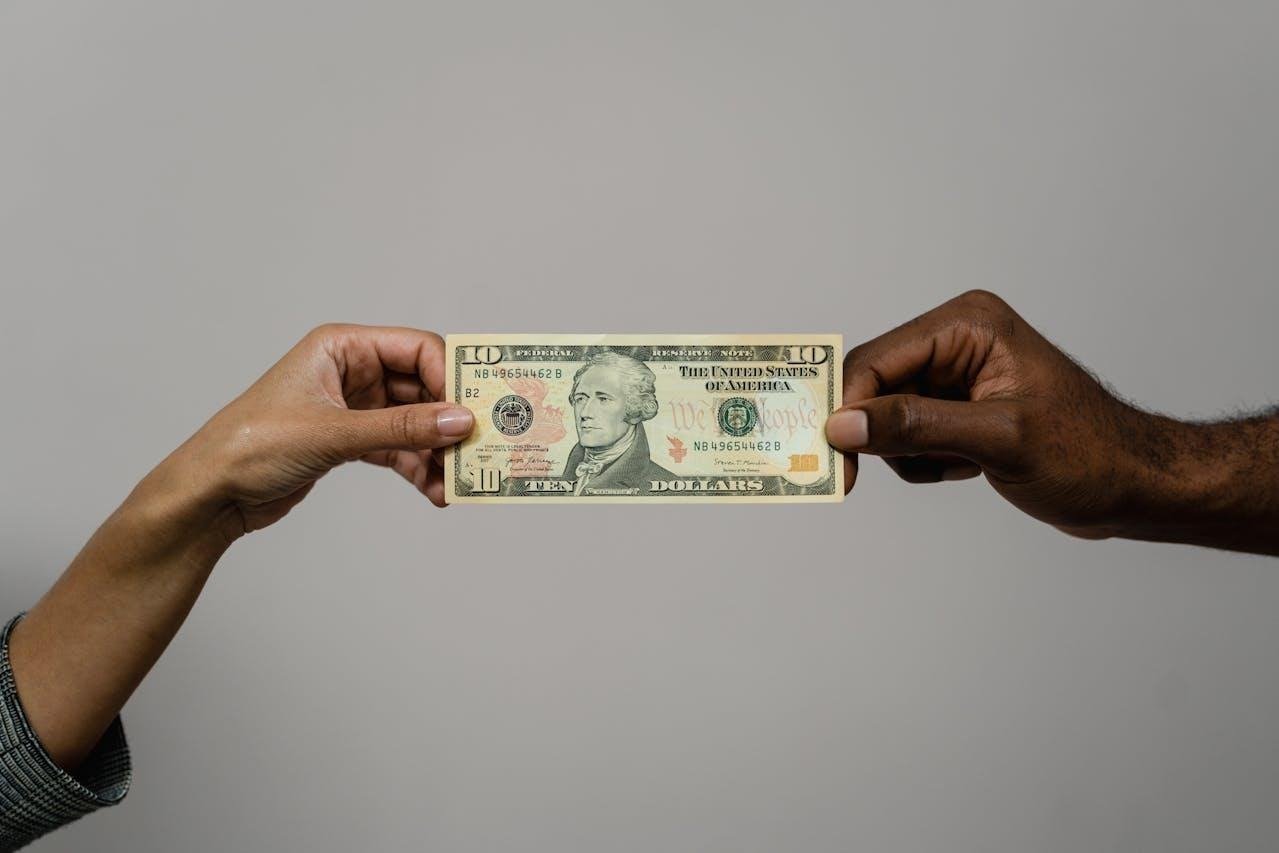
What if prioritizing your well-being put your finances at risk? That concern quietly shapes many wellness choices today. While everyone seeks better sleep, lower stress and improved health, the journey often feels expensive and out of reach. This creates a tension between immediate comfort and long-term financial stability. As burnout rises and living costs climb, a new idea is taking hold – wellness is not bought, it is built.
This blog explores how to maintain balance and well-being without straining your finances – so you can start making smarter, more sustainable choices today.
Building Foundations Without Borrowing Trouble
The smart approach separates wellness goals from consumer habits. Sleep proves the point. A fancy mattress company claims better rest requires spending thousands. Yet research shows routine matters more than price tags. Going to bed at the same time costs nothing. Removing the phone from the room costs nothing. These actions deliver results. Fitness works the same way. A gym membership feels like the only path. But walking outside is free. Free online workouts exist. Taking the stairs counts. The real barrier is not money. It is believing paid solutions are always superior.
When larger wellness needs do require financial help, the goal should be to avoid creating a new crisis. Dental work, necessary therapy, or a much-needed car repair for a safer commute can feel like wellness emergencies. If these costs are not planned for, they often land on a high-interest credit card. This is where a broader financial strategy comes into play. For those with a clear plan and steady income, low interest personal loans, for instance, can offer a structured path that prevents a sudden health need from becoming a long-term debt spiral. The key is using such options only when the monthly payment fits comfortably within the existing budget. The goal is to solve a problem without inviting a bigger one. Wellness should never mean trading a temporary physical fix for permanent financial strain.
The Quiet Power of Prevention
There is a deeply unattractive truth about wellness that no influencer likes to mention. Prevention is cheaper than repair. Society is currently obsessed with biohacking and quick fixes. Yet the most effective wellness habits are mundane. Drinking enough water, flossing and getting annual checkups are not exciting. They do not make for good content. But they prevent the kind of expensive, urgent problems that destabilize both health and finances. Consider the broader trend of lifestyle creep. As income increases, people often upgrade their lives in ways that add complexity and cost. A bigger house means more cleaning, more maintenance and more financial pressure. That pressure erodes wellness. It creates the need for more “escapes” and more retail therapy to cope with the stress of overextension.
Building a wellness-focused life means actively resisting that creep. It means asking a simple question before any health-related purchase. Will this reduce my stress in the long run, or just give me a temporary high? A massage subscription might feel relaxing until the bill arrives and creates anxiety. A home gym financed over three years might feel empowering until the monthly payment competes with grocery money. The financially stable approach is to wait. Save for the item, or find a free alternative. Patience is a wellness practice in itself. It teaches the nervous system that safety does not come from acquiring things but from knowing there is room to breathe financially.
Redefining Community Care
One of the most overlooked wellness resources is also completely free. Community. There is a strange irony in modern life. People pay for class passes to feel a sense of belonging. They join expensive run clubs for connection. Yet many neighborhoods are filled with people who are equally lonely and equally willing to share a meal or a walk. The trend of social isolation is well-documented and its health impacts rival smoking. Building wellness without disrupting cash flow often means looking sideways instead of upward. It means asking a neighbor to trade childcare so both parents can get a workout. It means starting a book club that meets in a living room instead of a wine bar.
This approach flips the script on wellness spending. It treats time and connection as the true currencies. When people pool resources, they unlock access to things that feel out of reach individually. A group of friends can split the cost of a therapy workshop. Families can share a community-supported agriculture box, splitting both the produce and the cost. These arrangements do more than save money. They weave a safety net. That safety net is the ultimate form of wellness. Knowing that a hard day can be met with a supportive phone call, not a desperate shopping spree, changes everything.
The Outcome Is Freedom
The real measure of a wellness-focused life is not how much is spent but how much freedom is felt. Freedom from the panic of an unexpected bill. Freedom from the weight of debt that demands to be served before the self. Freedom to take a mental health day without calculating the cost. This is the outcome that matters. Society is slowly waking up to the fact that financial health and personal wellness are not separate tracks. They are the same track. A person cannot meditate their way out of housing insecurity. A green smoothie cannot cancel out the stress of an overdraft fee.
Building a life that honors both requires a kind of quiet rebellion. It means rejecting the idea that care must be bought. It means protecting cash flow with the same urgency given to protecting sleep. It means letting go of the guilt that comes from not doing enough, buying enough, or optimizing enough. The path forward is simple, though not always easy. Start with what is already available. A park, a friend, a consistent bedtime. Build from there slowly. Add only what fits without breaking the budget. Treat financial stability not as a limitation but as the foundation upon which all other wellness is built. When the foundation is solid, the rest of life gets to stand on it, steady and secure.
